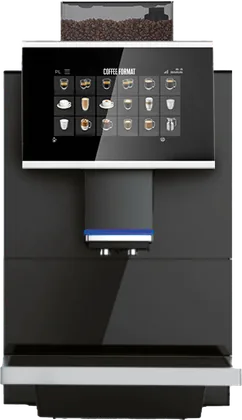
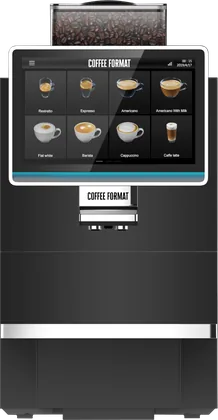
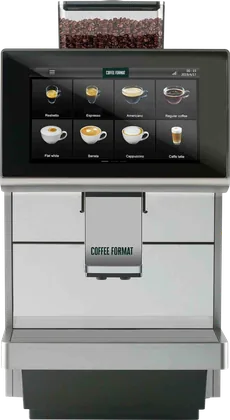
A mains water connection and waste drainage mean less refilling and emptying. Which Coffee Format models have them and what to prepare on site.
Why plumb in a coffee machine?
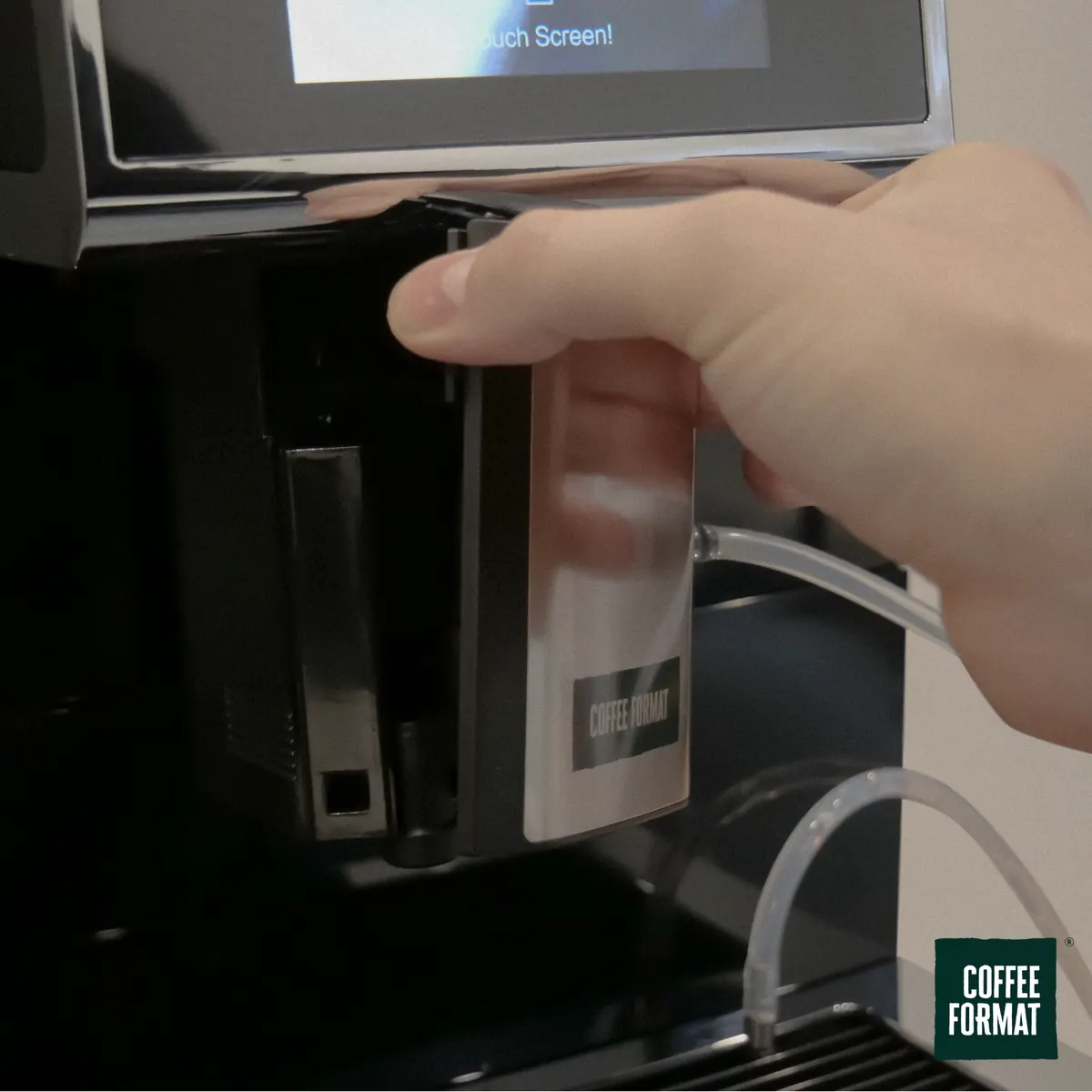
A 2–4 L tank has to be refilled several times a day once you serve more than a few dozen cups. A mains water connection removes that job, and a waste drainage connection removes drip-tray emptying as well. The milk system still needs cleaning every day.
You don't need to choose a model before enquiring. Tell us where the machine will be used and how many cups you expect to serve each day, and we'll recommend a suitable model and quote for delivery and installation.
01We select suitable models based on your daily volume, drinks and available space.
02One quote covering the machine and any accessories you need, such as a milk fridge, water filter or cleaning products.
03Delivery, installation, drink programming and staff training.
Thank you
Thank you for your enquiry. We'll email you with a machine recommendation.